
If you're a business owner, project manager, or developer in the UAE, you've likely faced this situation: you need a new workspace — and you needed it last month.
Traditional construction has an answer to that. It's usually six to twelve months, a budget that grows with every site visit, and a worksite that turns your surrounding area into an obstacle course for the better part of a year.
There is, of course, another way to answer it. And it's one that a growing number of organisations across the Middle East are discovering.
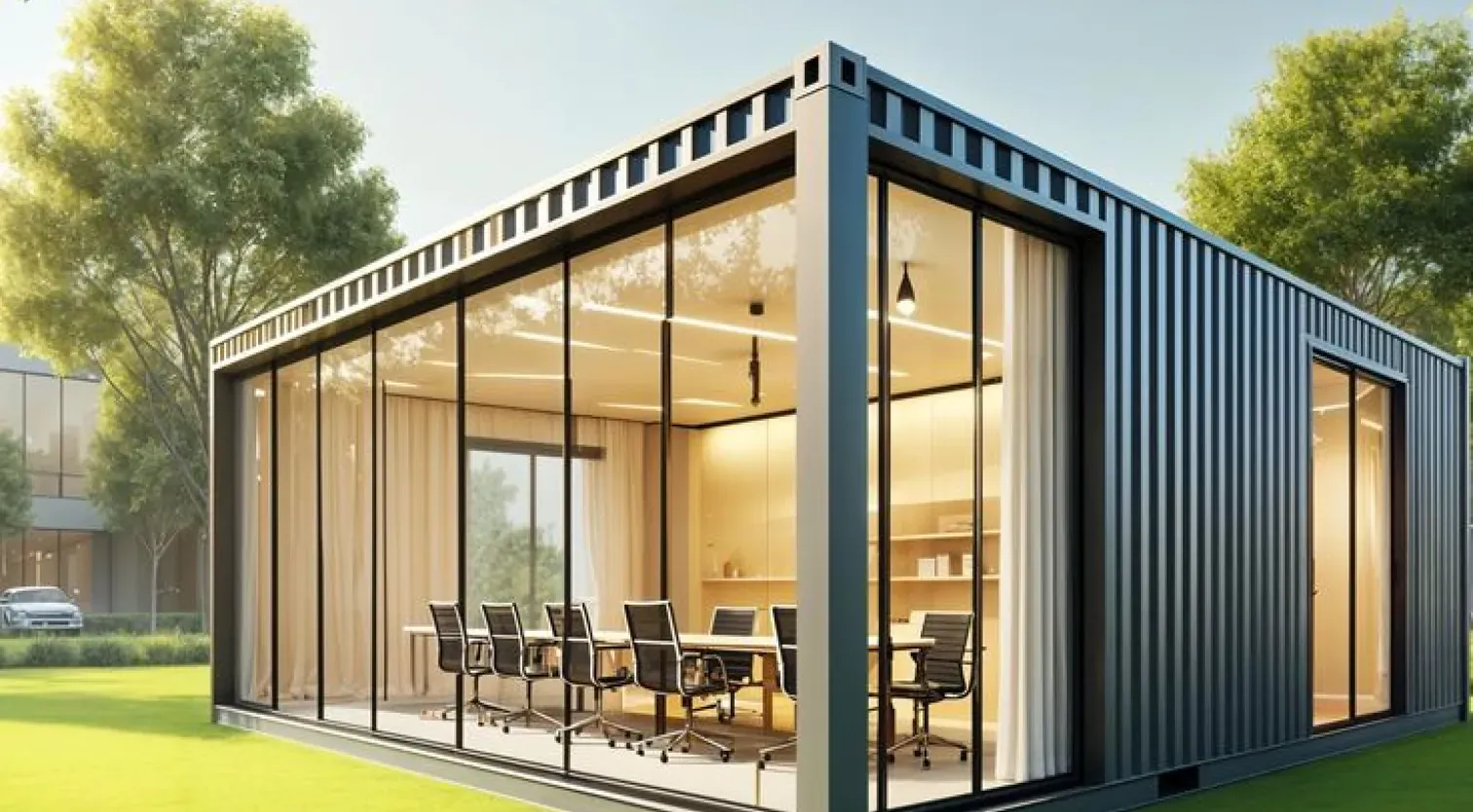
Modular offices — specifically those built from ISO-certified, upcycled shipping containers — are changing what businesses expect from the construction process. Not through compromise, but through a fundamentally smarter method.
This article gives you the honest comparison: modular vs traditional, across the three factors that matter most.
SPEED: WEEKS, NOT MONTHS
Traditional office construction or fit-out is a sequential process. Design. Approvals. Site preparation. Foundation work. Structure. MEP installation. Fit-out. Finishing. Snagging. Each phase dependent on the last. Each phase vulnerable to delays.
A realistic timeline for a traditional commercial fit-out in the UAE sits between four and twelve months, depending on complexity. Larger builds take longer. And every week on-site is a week of disruption, cost, and uncertainty.
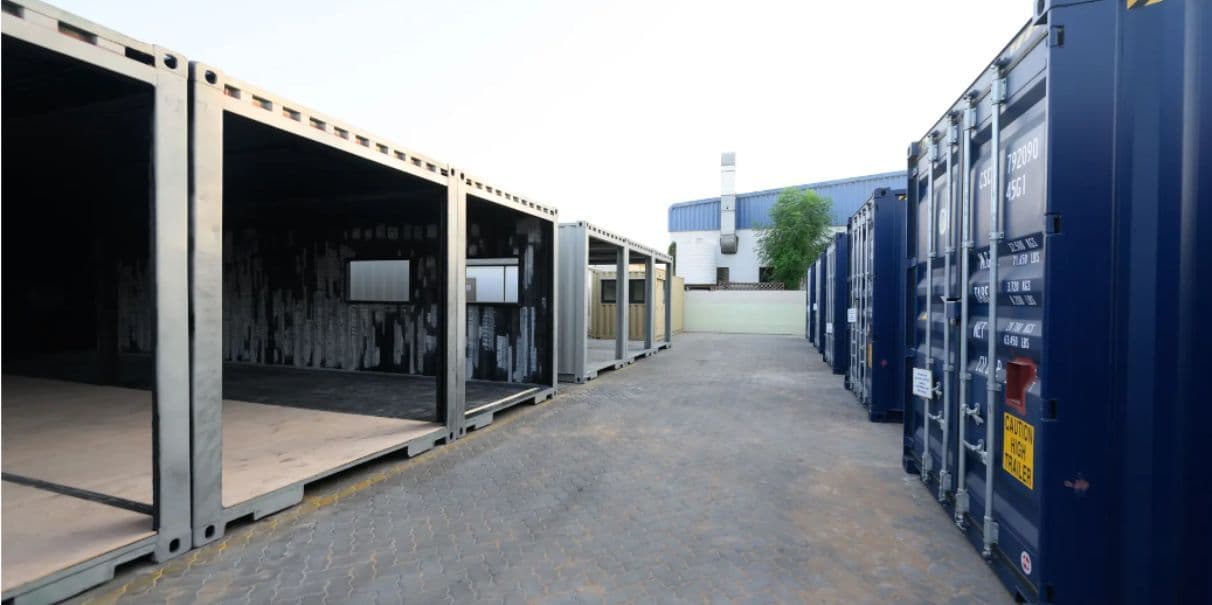
Modular construction works differently. Design and production happen in parallel, in a controlled factory environment. By the time your unit arrives on site, it's largely complete. Installation is measured in days, not months.
At Smart Box, a typical modular office project — from design sign-off to handover — is delivered in four to six weeks. For businesses that need to move fast, that difference isn't marginal. It's transformative.
COST: WHERE THE SAVINGS ACTUALLY COME FROM
The cost advantage of modular construction is real, but it's worth understanding where it comes from — because it's not about cutting corners.
Factory production is inherently more efficient than site construction. Materials are optimised. Labour is specialised and predictable. There's no weather-related downtime. No site theft. No waste from over-ordering materials that then sit on-site and deteriorate.
Traditional construction budgets also carry hidden costs: extended site management, temporary facilities, security, and the compounding impact of delays. Every additional week on-site adds cost. Modular construction's compressed timeline eliminates much of that exposure.
For clients managing multiple locations — a retail chain expanding across the UAE, a corporate client needing a temporary HQ during a renovation — the cost advantages of modular scale considerably.
Exact savings vary by project, but clients consistently find that modular delivery offers meaningful cost efficiency without sacrifice to specification.
QUALITY: THE MISCONCEPTION WORTH ADDRESSING
This is where modular construction surprises people most.
The assumption is that speed and affordability come at the expense of quality. In traditional construction, that's often true — corners are cut when budgets tighten and deadlines loom. But modular construction inverts that dynamic.
ISO-certified shipping containers are built for one of the most demanding environments on the planet: stacked nine-high on open ocean cargo ships, exposed to extreme weather for weeks at a time. As building materials, they're extraordinarily robust.
In Smart Box's production facility, every unit is designed by qualified architects and engineers. Fit-out is completed before the unit reaches site. Quality checks happen throughout the production process — not just at handover. The result is a space that arrives ready-to-use, with every detail resolved.
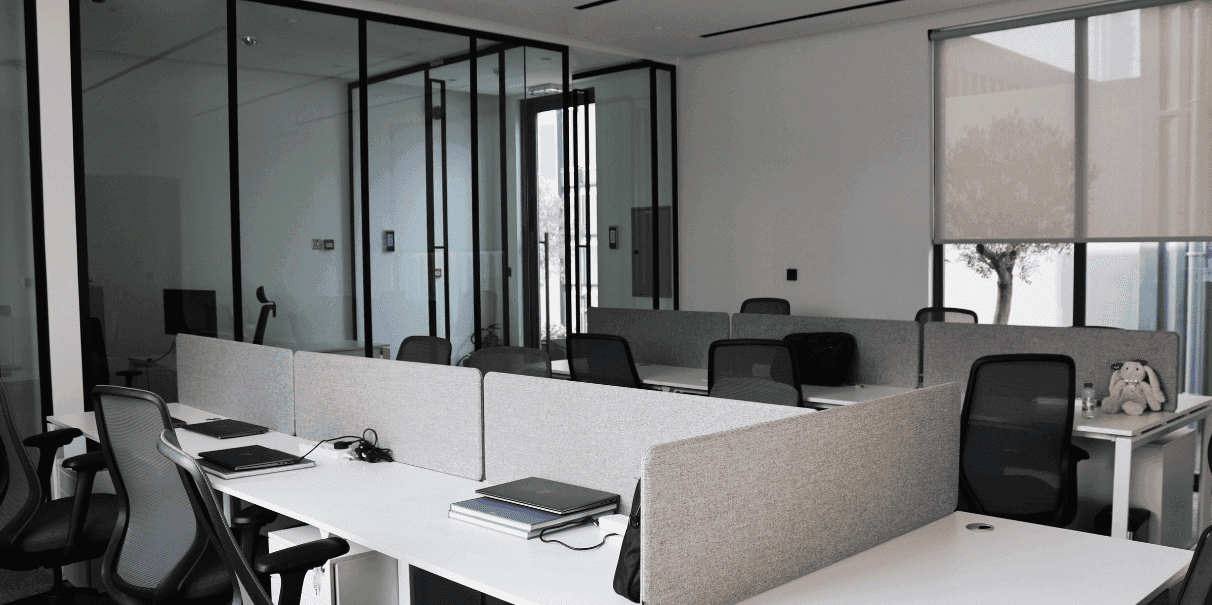
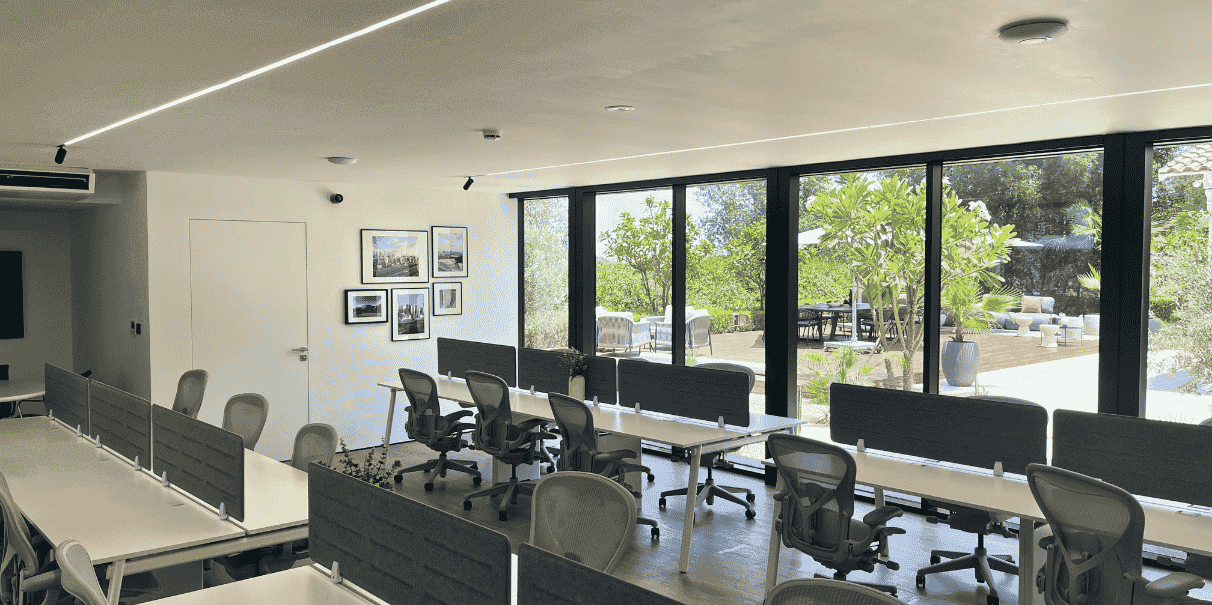
The finished product? A fully fitted, bespoke office environment that meets — and regularly exceeds — the standard of traditionally built equivalents.
SUSTAINABILITY: THE FACTOR THAT'S BECOMING NON-NEGOTIABLE
One comparison point that's increasingly relevant for UAE businesses and developers is environmental impact.
The UAE's sustainability commitments are serious and well-documented. Businesses with ESG obligations are under growing pressure to make responsible choices in their operations — including how and where they build.
Modular construction from upcycled shipping containers ticks several important boxes. Each container repurposed is a significant volume of steel given new life rather than scrapped. Factory production generates a fraction of the on-site waste of traditional construction. And modular units can be reconfigured, relocated, or repurposed — extending the life of every build.
For businesses seeking green credentials, this isn't a bonus feature. Increasingly, it's a requirement.
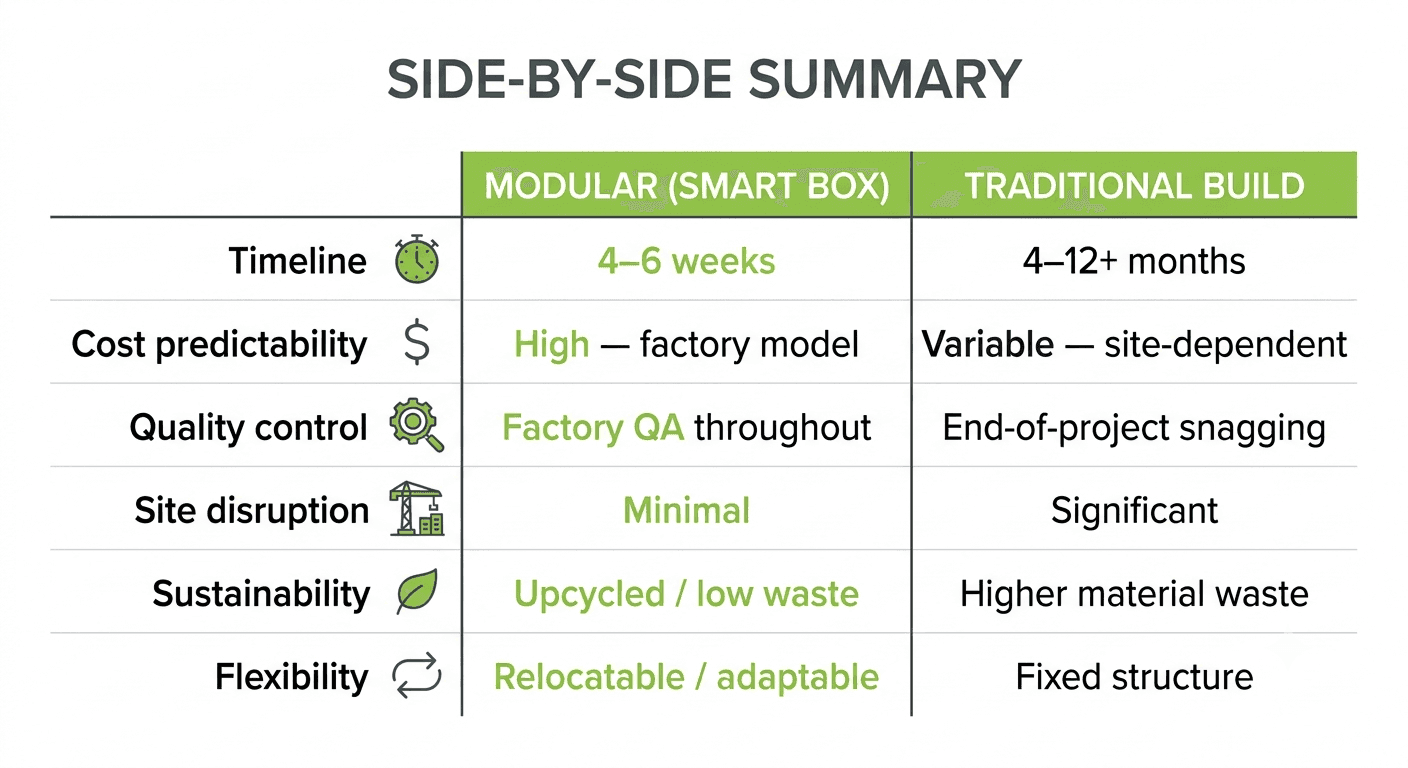
SO, WHICH IS RIGHT FOR YOUR PROJECT?
Modular construction isn't the answer to every brief. Large-scale, permanent infrastructure has its own requirements. But for a remarkably wide range of commercial applications — offices, retail, F&B, clinics, event spaces, accommodation, gyms — the modular method delivers outcomes that traditional construction simply can't match on speed, cost, and flexibility.
The question we'd encourage any business or developer to ask before committing to a traditional build is a simple one: could this be done smarter?
At Smart Box Industries, we believe the answer is almost always yes. We're the Middle East's leading provider of shipping container conversions — a team of architects, engineers, CAD designers, and production specialists who exist to turn your spatial challenge into an exceptional built solution.
Whatever you can imagine, we can build.
Ready to explore what's possible? Get in touch with the Smart Box team and let's talk through your project.